
The Standing Eight Count
Two boxers fight feverishly as sweat pours. With every punch you can see the tides turning as two behemoths slug away. Then a left hook and a right cross land on the chin of the tired fighter, and he goes down. As the ref begins the count, the boxer struggles to his feet, where he receives the standing eight count. This short time hopefully allows him to find his bearings and get back in the match. Horse racing has fought gamely over the decades, and if there has ever been a time for racing to get back on its feet, that time is now.
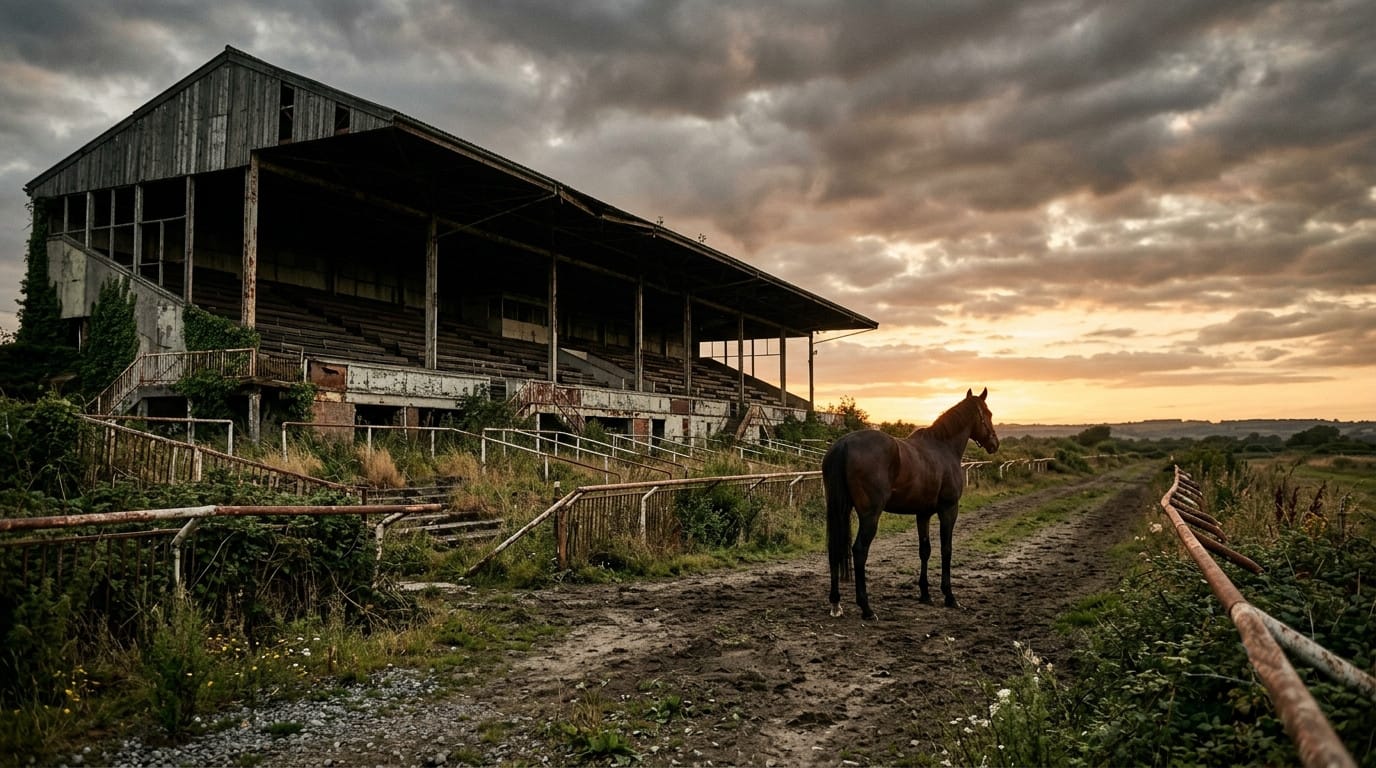
Just this year, Aqueduct is no longer after 132 years, and now the death of Chicago racing is upon us. Back in 1891, the owner of Kentucky Derby winner Riley purchased 119 acres in Cicero, Illinois. It has faced closures and multiple sales, but Chicago racing was solid at Hawthorne. Once upon a time, Al Capone was ruled off from Hawthorne, and he responded by building his own track less than 100 yards away in Sportsman's Park, which also fell by the wayside when the track closed its doors for good. Hawthorne was sold for nearly $90 million, and the Stickney location will not be used for racing. The eight count is over, and the ref calls it a contest.
Then Arlington was sold to the Chicago Bears for $197 million. If you never made a trip, the facility was a crown jewel. The trains ran right to the main entrance, and Arlington International was a sight to behold. I made four trips over the years and had the privilege of watching incredible Arlington Million race cards. What a day for horse players! Arlington was given up, and the Chicago dismantling began. Sportsman's Park fell years prior, and one of the biggest circuits in the country was standing on wobbly legs as the count was rolling.
I've been blessed and just plain lucky to work in the industry that I loved. Over the past 30 plus years, I have made some great friends in the sport. One in particular is a steward on the Kentucky circuit. We've known each other since our days in the parking lot as kids. He is a gentleman who knows the landscape, a quiet man who has made a career in the business. We talk, and he keeps me informed of what the industry is facing, and I have to be honest, it doesn't sound good.
With a guess, he projected more tracks are on the block than ever. Chicago has joined the recent obituaries, and there will be more to come. Smaller tracks owned by casino interests have no interest in keeping racing on life support at their expense. In a nutshell, California is drifting away, and Florida is a few elderly owners away from becoming condos. He felt that after the dust settles, New York will be the new Belmont and Saratoga. Kentucky will be fine, but Ellis Park might face a sale in the near future. Oaklawn will probably want to expand their meet, and talk is rolling around about a major expansion. After that, the small tracks will go one by one, and the landscape will get smaller. Oh, there may be a number of small tracks that make the cut, as horsemen will keep it afloat. I am starting to hear the final count.
There will be racing, but on a much smaller scale. It will be quality versus quantity. In my opinion, once TVG/FanDuel did away with handicappers on air, the writing was on the wall. Some are finding work at the bigger tracks and will continue doing what they love. Fans need a guiding lighthouse, with information passed along by the folks who know the sport. It served a purpose, but at the end of the day, it was not generating the dollars needed to keep it alive and rolling.
Once again, in my opinion, we did this to ourselves. Bettors used to have to go to the track to make a legal wager. With the advent of ADWs, going to the races was not as important, as we could bet from home or the office. Anywhere we had a phone, tablet, or computer was just like being at the track without making the trek. Over time, tracks scaled back and many lost jobs as the need was no longer there. Meets got shorter, and some tracks battled to keep the lights on.
Wishing for the casino to save racing. The greatest number of players thought the addition of the casinos would keep racing afloat for our lifetime. Nope. Not at all. Name me three operations with casinos, take a look from a distance, and you will see there is no interest in growing racing. As I have heard firsthand, they will tolerate racing until they don't have to anymore. There is no doubt in my head. I worked for a few, and I saw firsthand how they have no clue, or no desire, to market the facility as an entertainment destination with live horse racing and gaming. It may sound like I'm bitter, and that is because I was one of the believers that we could co-exist and grow. The only track that did was Indiana Grand, now Horseshoe Indiana. They really got behind racing, and things were going well. The last I knew, Caesars was going to sell the track. I'll wait and see, but not much surprises me these days.
What's the fix? It may be a little too late to put 100 pounds of hay into a 5 pound bag. I would still be a believer in the marriage of racing and gaming if there was a real attempt at growing the facility together. But I haven't seen or heard of much. Funniest thing: the casinos wouldn't be there if it weren't for racing getting behind it and selling it to our legislators. Racing had a standing gaming license, and it made sense to invest in the future by offering something new to showcase the new facility. It looked like a match made in heaven. But be careful what you wish for. It may have a string attached.
Like What You're Reading?
Join thousands of handicappers who trust WinningPonies for their daily exotic wagering action.